Australia is a photographer’s playground. Within a single country you’ll find blood-red deserts, glacier-carved alpine ridges, neon coral reefs, ancient rainforests, and beaches with sand so white it looks photoshopped. Whether you shoot landscape, wildlife, astrophotography, drone, or street, Australia gives you scenes you simply can’t get anywhere else on earth.
This guide rounds up 12 iconic locations every photographer should aim to shoot at least once — when to go, what gear to pack, and the angles that consistently win the frame. We’ve also pulled in detailed destination guides from our friends at Touring Guide for each location, so you can plan the trip end-to-end.
1. Uluru — the Red Centre at golden hour
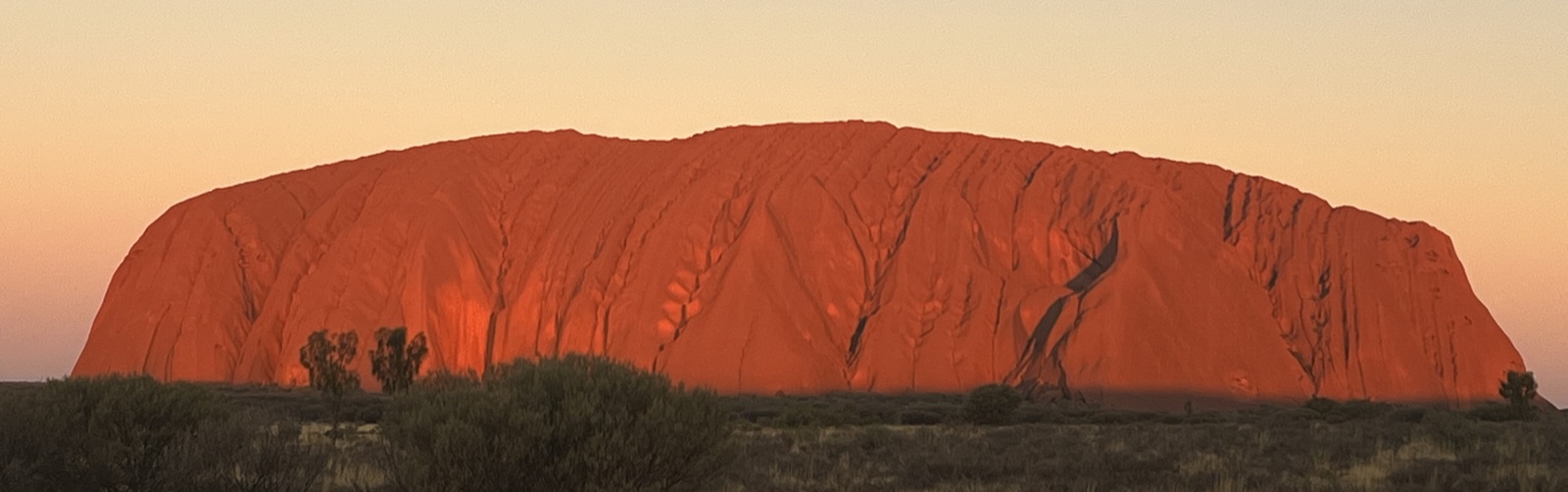
Nothing else looks like Uluru. The monolith rises 348 metres out of the Northern Territory desert and shifts colour through the day — slate-grey at dawn, fire-orange at sunset, deep purple under storm light. Shoot from the dedicated sunset viewing area to the west, then return for sunrise from the eastern lookout. Pack a long lens (70-200mm) for compressed shots that isolate the rock against the sky, plus a wide angle for foreground spinifex grass.
When: May–September (dry season, cooler nights, no flies). Pro tip: the cultural site rules prohibit photography in certain areas — check signage before composing.
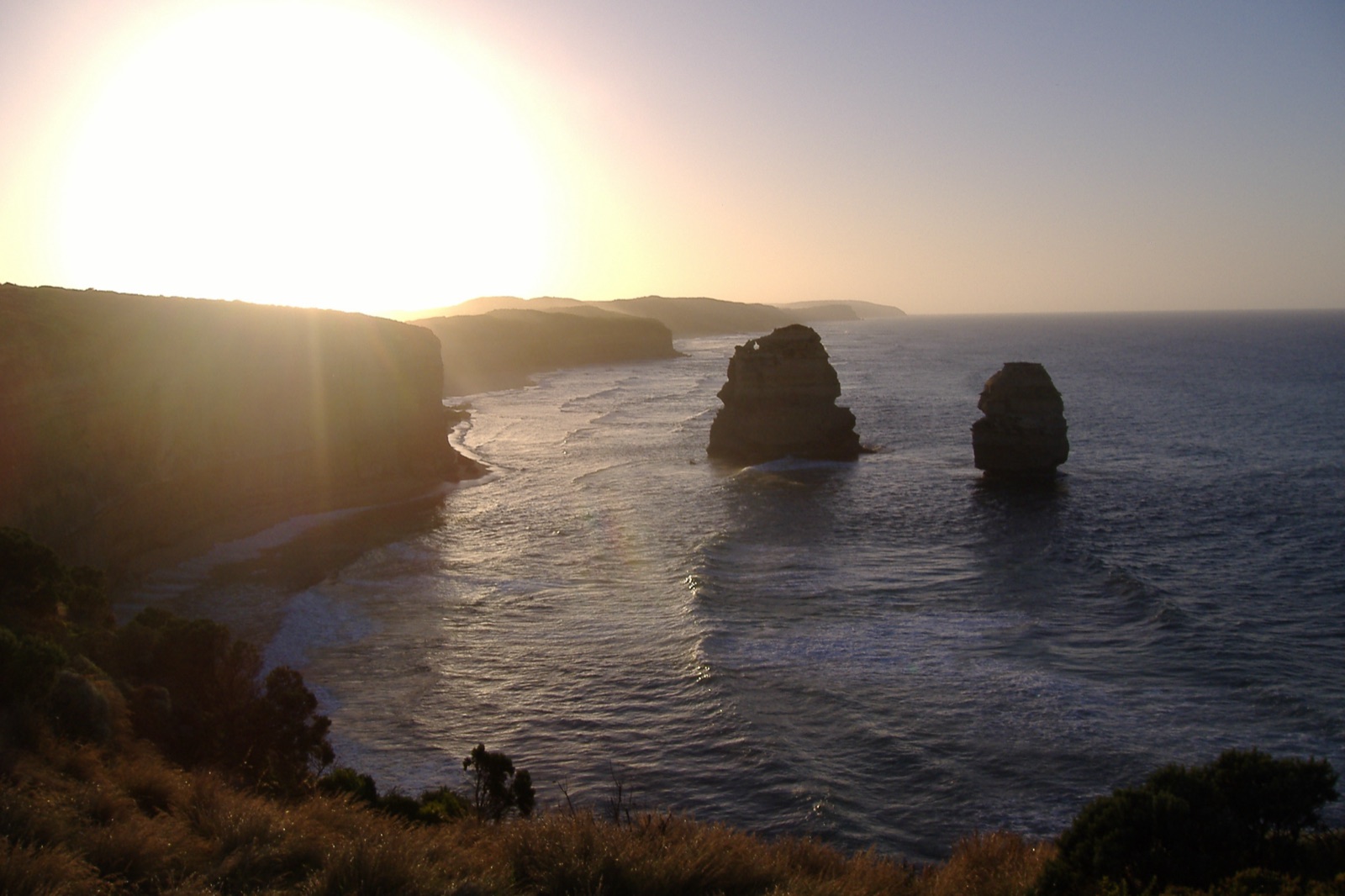
2. The Twelve Apostles — coastal sea stacks at sunrise
Victoria’s Twelve Apostles are the most-photographed coastline in Australia for good reason — limestone stacks rising out of the Southern Ocean, hammered by spray, glowing amber at first light. Most photographers shoot from the main viewing platform, but the lower-level Gibson Steps gives you a beach-level perspective that almost no Instagram photo captures. A circular polariser cuts through the sea spray; a 10-stop ND filter turns the surf into silk.
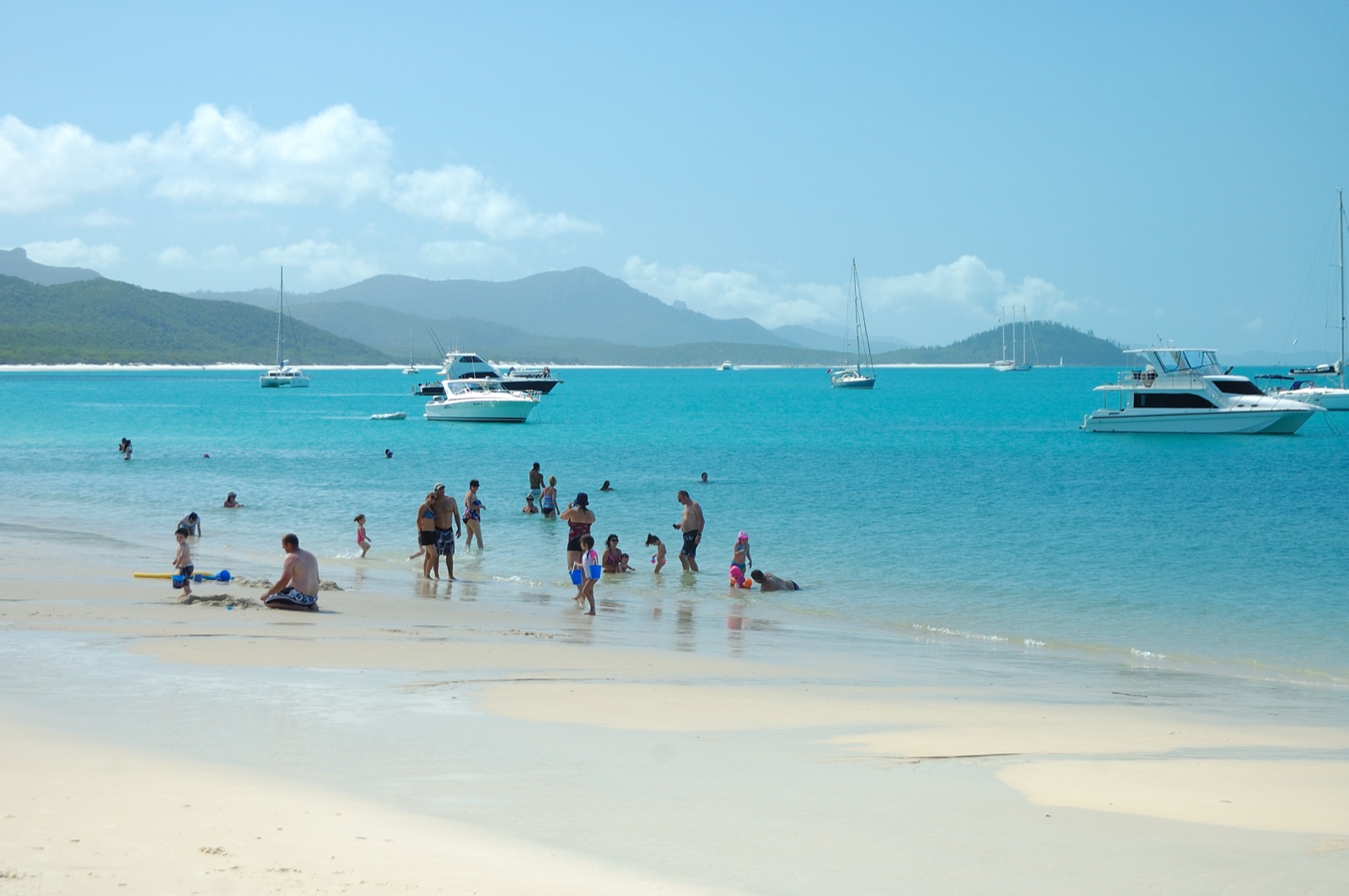
3. The Whitsundays — aerial heaven
The Whitsunday Islands off the Queensland coast are where drone photography earns its keep. Hill Inlet at low tide produces the swirling turquoise-and-cream patterns that dominate Australian tourism marketing, and Whitehaven Beach holds 98% pure silica sand. If you’re new to flying high above water, our drone photography tips cover the gear, settings, and legal considerations you’ll want sorted before you take off.
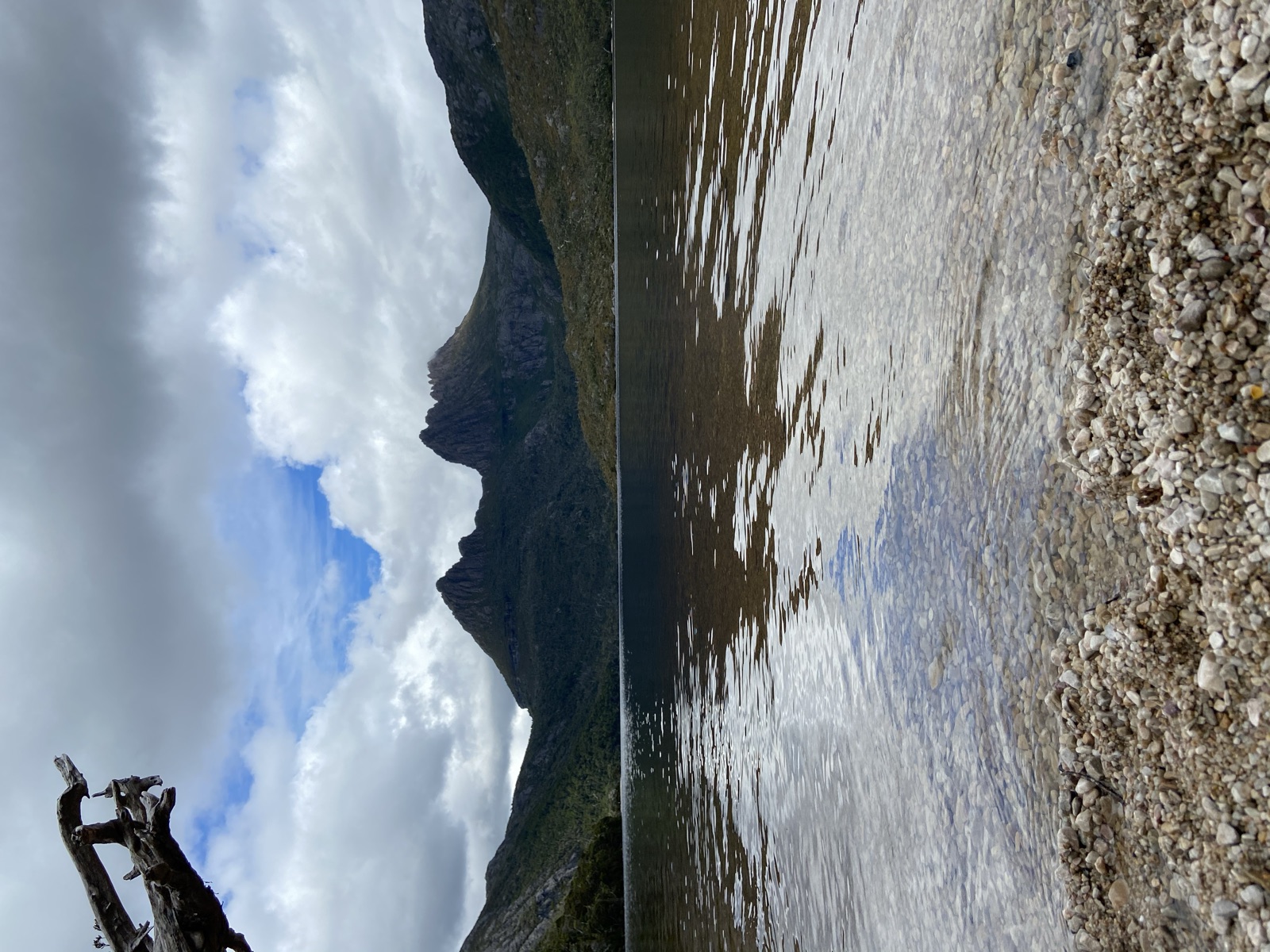
4. Cradle Mountain — Tasmania’s alpine cathedral
Dove Lake, mirror-still at dawn, with Cradle Mountain reflecting back — this is one of the most reliable landscape compositions in the country. The boardwalk loop is six kilometres of constantly-changing perspectives. Tasmania’s weather flips fast, so pack rain protection and a microfibre cloth for the front element. Sturdy boots beat aesthetics — the boardwalk is wet, slippery, and unforgiving.
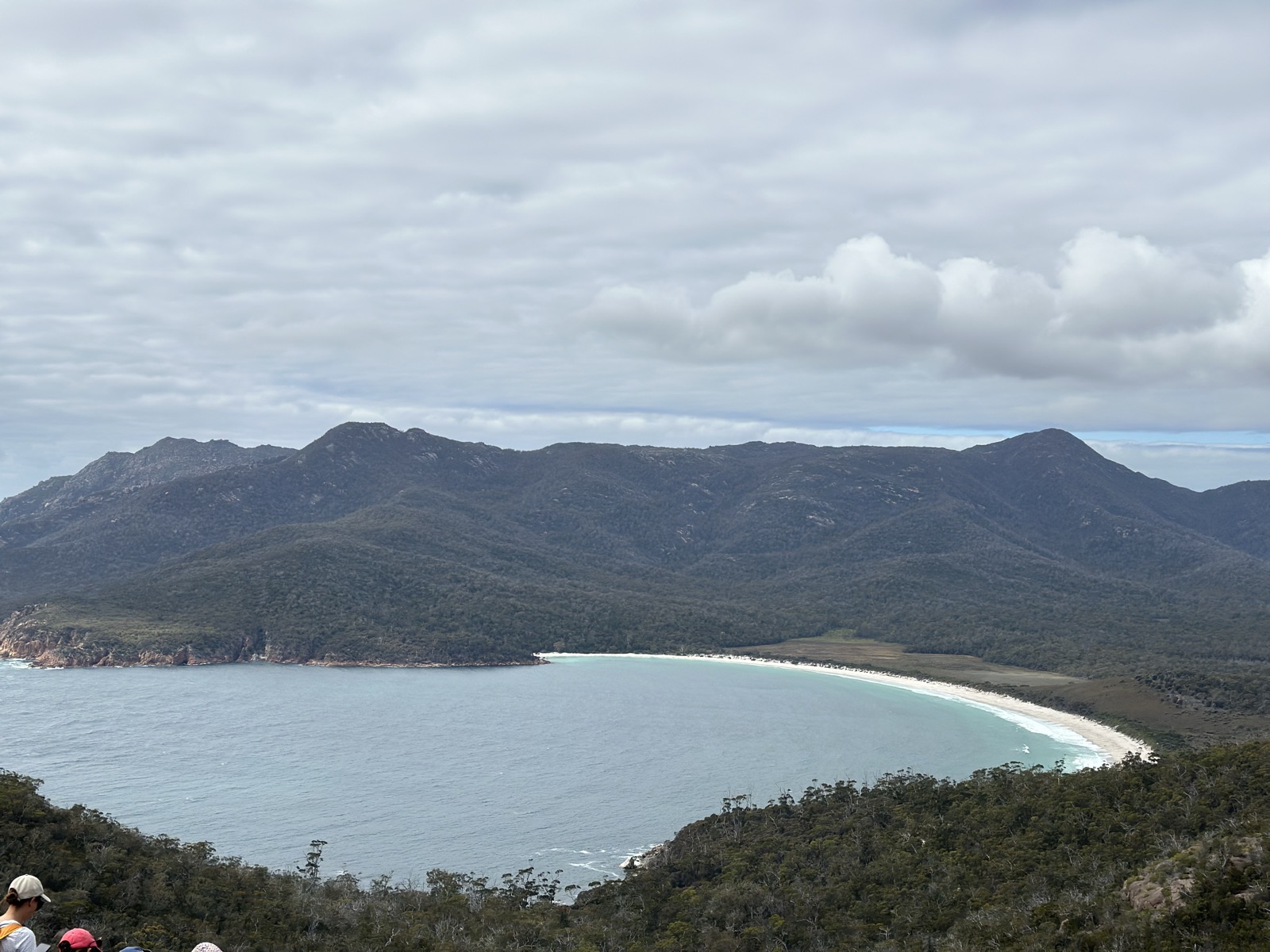
5. Wineglass Bay — the perfect curve
The classic shot of Wineglass Bay is from the lookout above — a half-hour climb up granite steps in Freycinet National Park. Mid-morning gives the cleanest water colour; late afternoon the cliffs turn pink. If you’re shooting the bay itself, drop down to the beach (another 45 minutes) and shoot the curved shoreline from the southern end with a wide lens. Our landscape photography tips walk through the composition principles that make this kind of shot work.
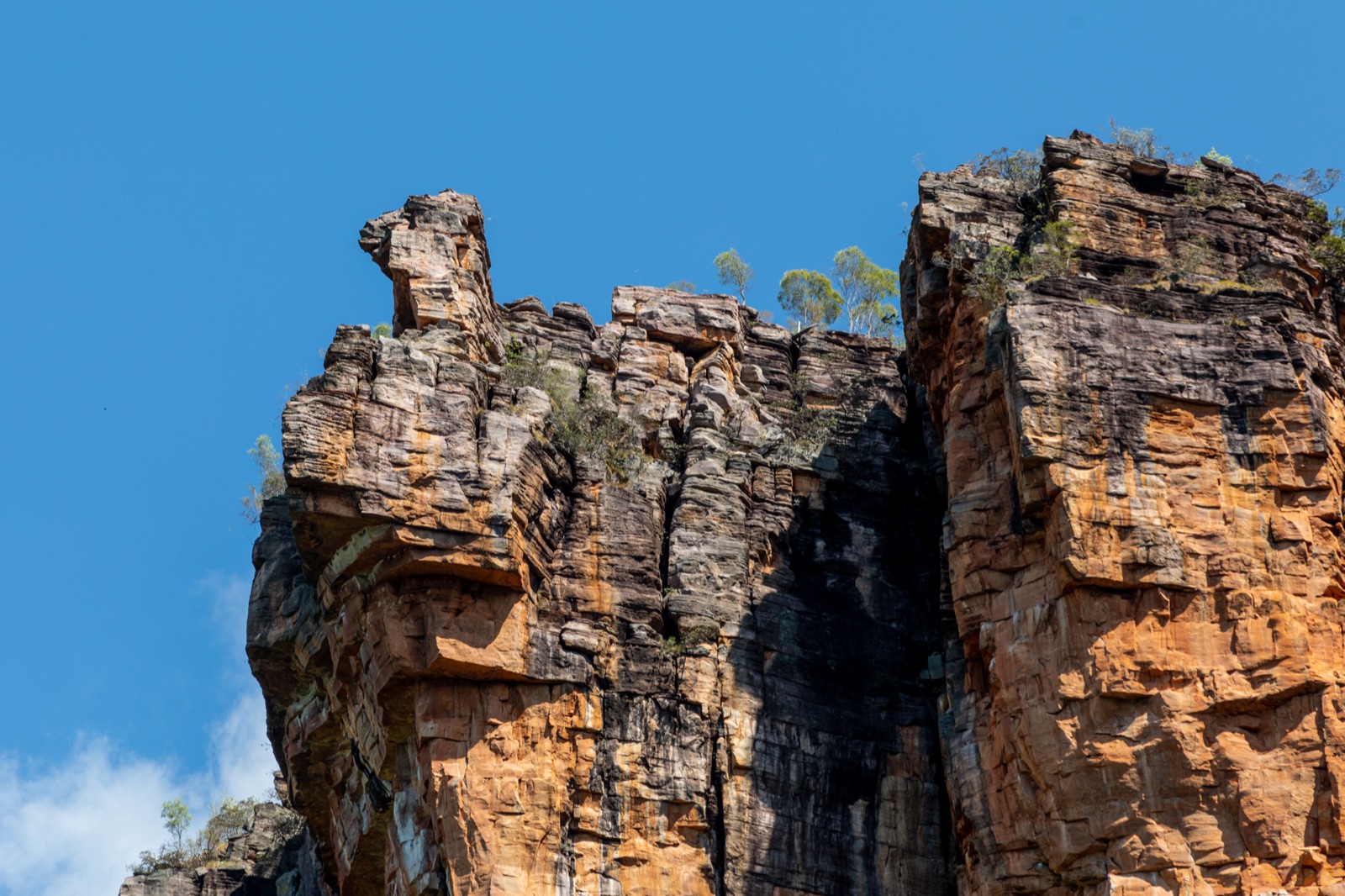
6. Kakadu — wildlife, waterfalls, and Aboriginal rock art
Kakadu National Park is twice the size of Yellowstone and four times more visually diverse. Jim Jim Falls in the wet season, Yellow Water Billabong at sunrise (saltwater crocs, jabirus, magpie geese), Ubirr’s 20,000-year-old rock paintings at sunset — all from the same base camp. A 100-400mm lens earns its keep here. Wet season (Nov–Apr) for waterfalls, dry season (May–Oct) for wildlife and access.
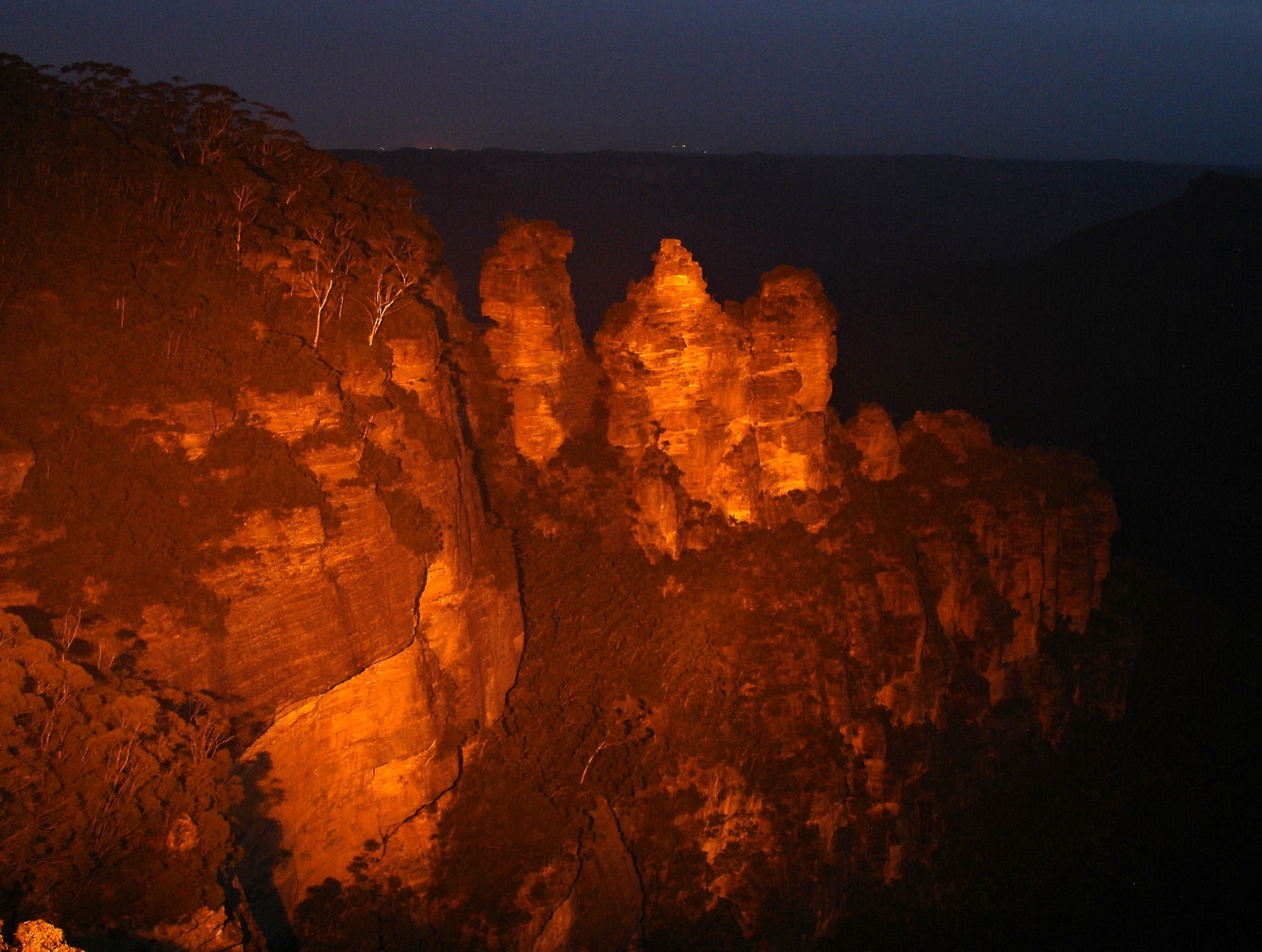
7. Blue Mountains — eucalyptus haze and sandstone cliffs
Two hours west of Sydney, the Blue Mountains get their name from the haze of eucalyptus oil that gives the air a literal blue tint. Shoot the Three Sisters from Echo Point at dawn before the tour buses arrive; for something less photographed, hike to Pulpit Rock for a 270° view of the Grose Valley. Long exposures of the misty valleys at first light are a signature shot.
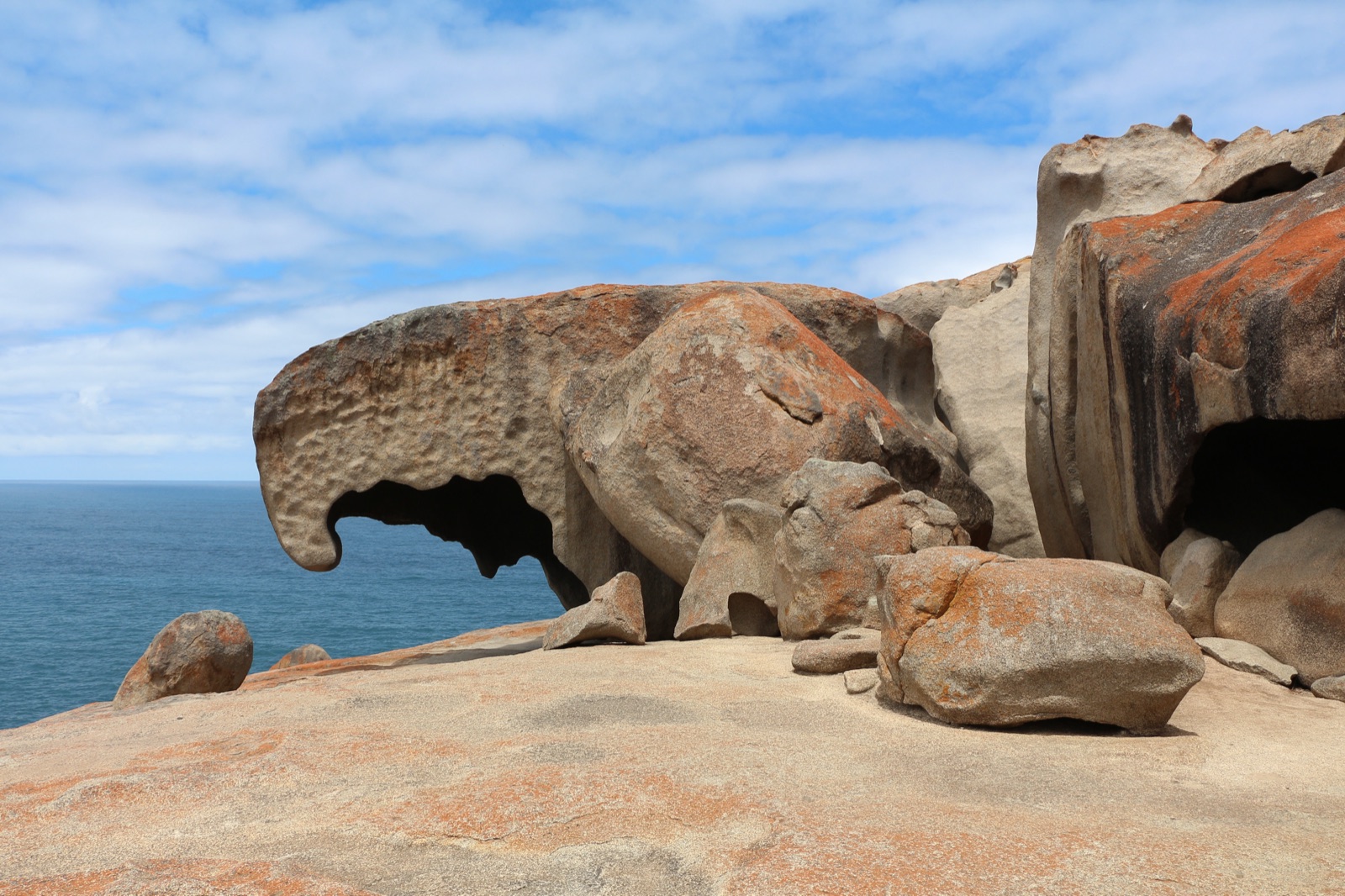
8. Kangaroo Island — wildlife on tap
Off the South Australian coast, Kangaroo Island is what mainland Australia looked like 200 years ago. Sea lions on Seal Bay (yes, you can shoot from metres away with a guide), wild kangaroos at golden hour in Flinders Chase, and Remarkable Rocks — wind-sculpted granite that catches the late sun like sandpaper through a backlit window. Bring a fast prime (50mm or 85mm f/1.8) for low-light wildlife.
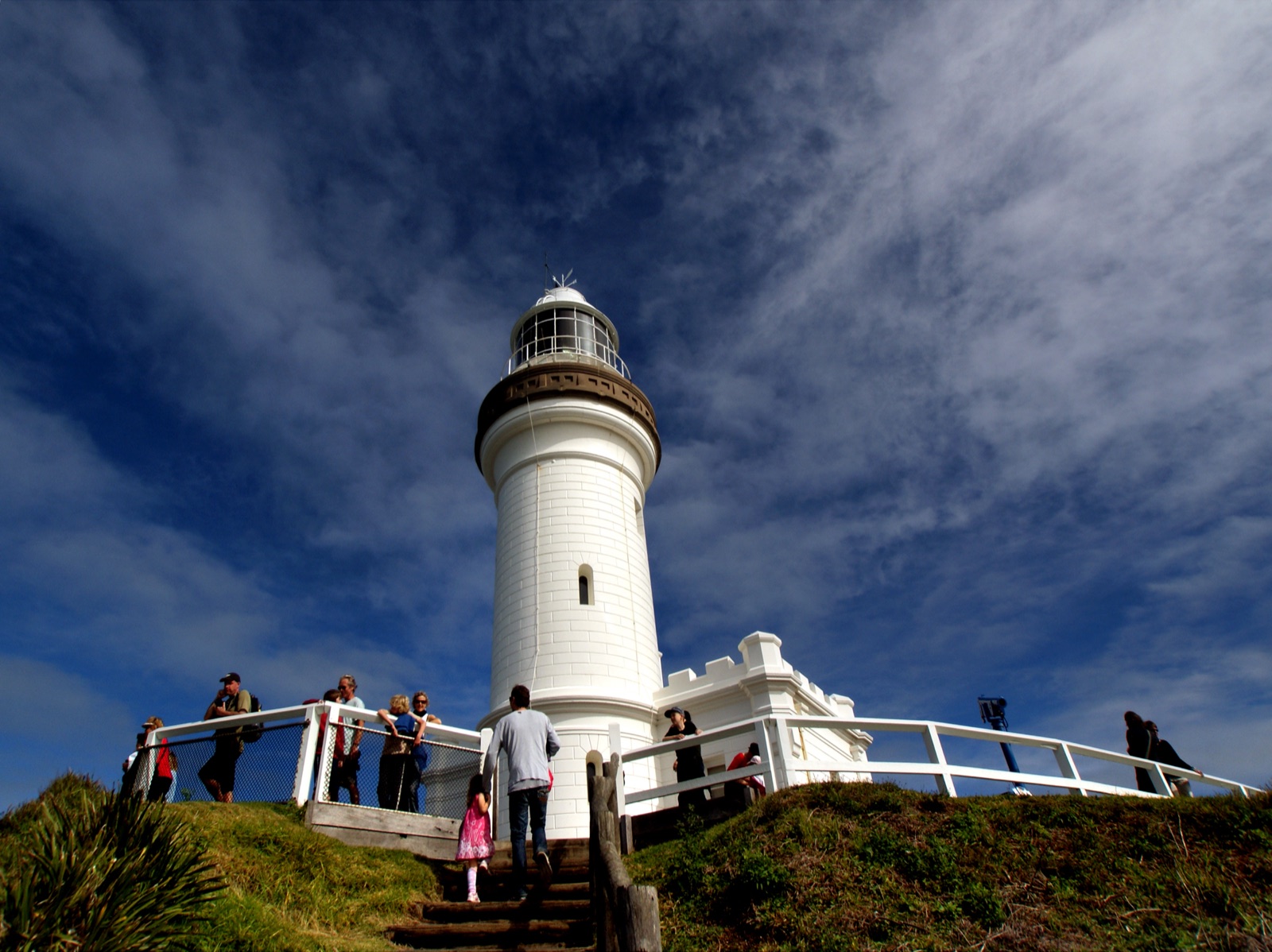
9. Cape Byron — Australia’s easternmost lighthouse
The Cape Byron Lighthouse is the easternmost point of mainland Australia — first light hits here before anywhere else in the country. Shoot from the headland car park for the lighthouse against an empty Pacific; from the beach below, you’ll see migrating humpback whales between June and November. Drone shots of the curved coastline at sunrise are dramatic. Lifestyle shooters: the surf town below is a goldmine for editorial work.
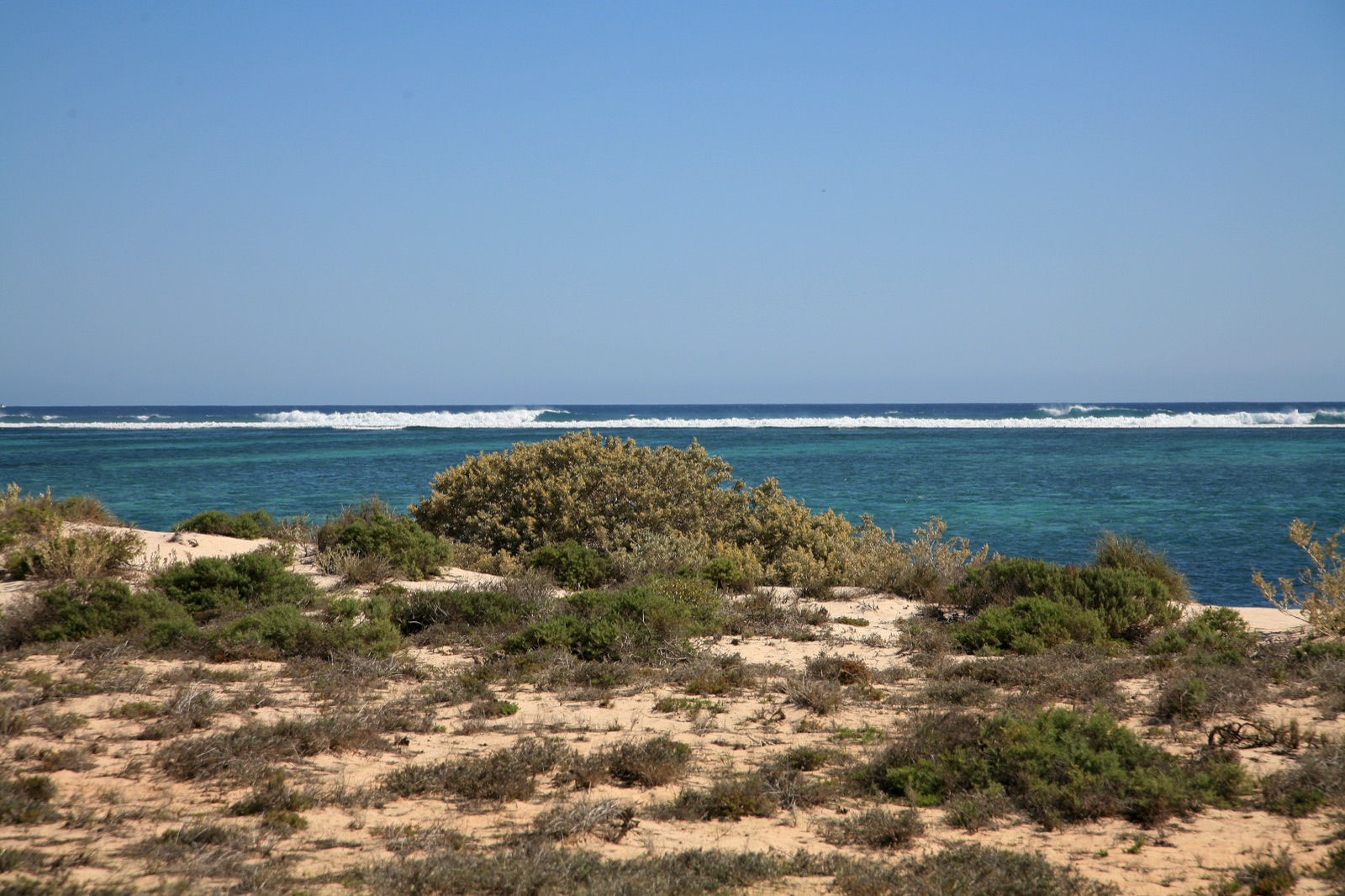
10. Ningaloo Reef — underwater colour without the crowds
The Great Barrier Reef gets the headlines, but Western Australia’s Ningaloo Reef is more accessible (you can wade off the beach), less bleached, and far less crowded. Whale sharks aggregate March–August. Underwater housings start at $300 for a phone, $1,500+ for mirrorless — and unlike most reefs, here you genuinely don’t need a boat to get publishable shots.
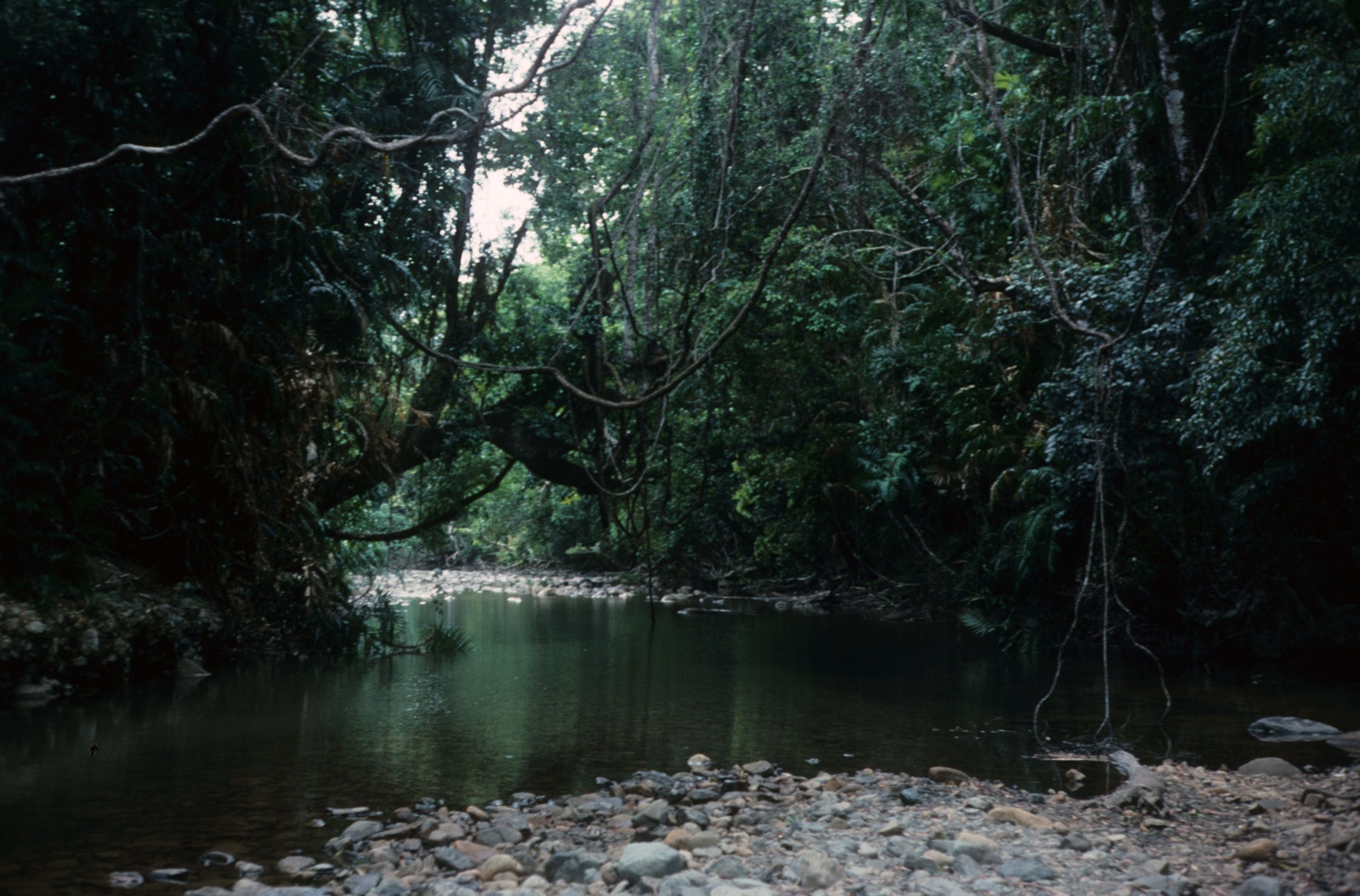
11. Daintree Rainforest — green on green on green
The Daintree is the oldest continuously-surviving rainforest on the planet — 180 million years and counting. The challenge is exposure: dim, high-contrast, with shafts of light through the canopy. Shoot in RAW, bracket aggressively, and bring a sturdy tripod (a slow shutter is the only way to handle the low light without pushing ISO into noise territory). Cape Tribulation at low tide gives you that iconic “where the rainforest meets the reef” composition.
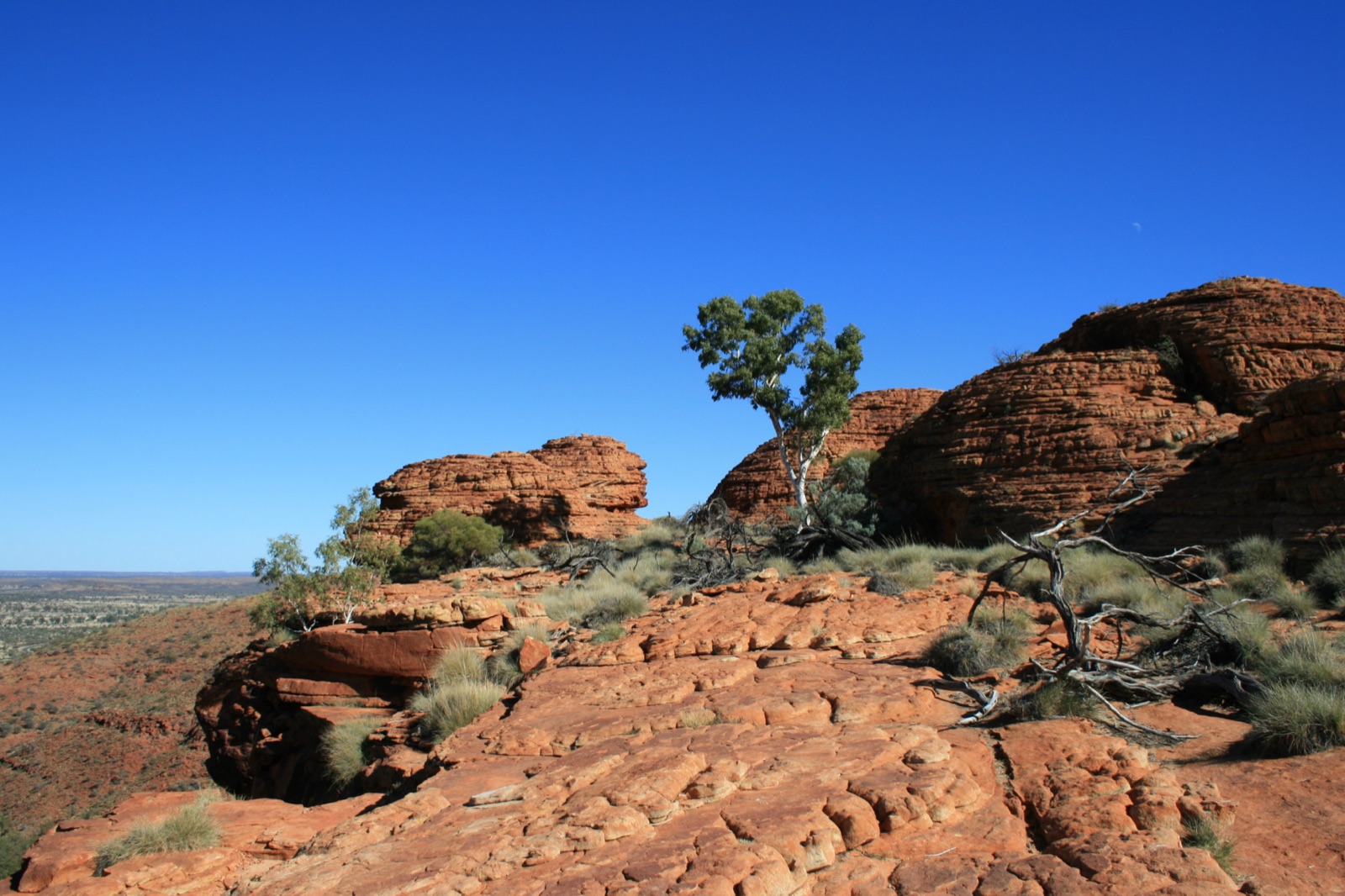
12. Kings Canyon — Watarrka’s red walls
Often skipped on Red Centre itineraries, Watarrka (Kings Canyon) is arguably more dramatic than Uluru. The Rim Walk gets you 100m above the canyon floor with views into the Garden of Eden — a permanent waterhole surrounded by cycads that have been there since the dinosaurs. Start the walk at first light: the canyon walls glow before the sun hits the floor, and you’ll be back at the car park before the heat ruins everything.
Gear and planning checklist
- Body: any modern mirrorless with weather sealing. Australia is dusty, salty, and humid in roughly equal measure.
- Lenses: 16-35mm wide, 70-200mm telephoto, plus one fast prime for low light.
- Filters: circular polariser (cuts glare on water), 10-stop ND (silky water, dreamy clouds).
- Tripod: non-negotiable for landscape and astro.
- Drone: register with CASA before flying — Australia takes drone regs seriously.
- Storage: double your usual card capacity. You will shoot more than you think.
- Backup: a portable SSD and a cloud sync workflow for every night on the road.
Protect your shots
You’re going to bring back a hard drive of images that took weeks to plan, thousands of dollars to capture, and unrepeatable moments to compose. Before you post a single one online, watermark them. Image theft is a real and growing problem, especially for travel and landscape photographers whose work is highly shareable on social media. Watermarking your photos takes seconds and protects months of work.
For more advanced techniques and creative approaches to capturing Australia and beyond, our travel photography tips dig into composition, light, and storytelling for the road.
Planning the trip? Touring Guide has destination-by-destination breakdowns of every location above — campsites, tracks, attractions, and seasonal access info — at touringuide.com.
Companion piece: Why Should You Shoot RAW Format Photos? 5 Facts.